

Southland dairy cows out-produced the rest of the country last season, according to the New Zealand Dairy Statistics for 2025-26 released by DairyNZ and LIC on Monday.
The region's 982 herds milked 609,632 cows and turned out just under 293 million kilograms of milksolids, 14.5 per cent of the national total. That is from 12.9 per cent of the country's cows and 9.6 per cent of its herds.
Per cow, Southland averaged 481kg of milksolids. The South Island average was 459kg, Otago managed 448kg and the national figure was 428kg, itself a record.
Southland herds are also bigger than most. The average Southland herd had 621 cows on 228 effective hectares, against a national average herd of 460 cows. Stocking was 2.72 cows a hectare and each hectare produced 1,308kg of milksolids.
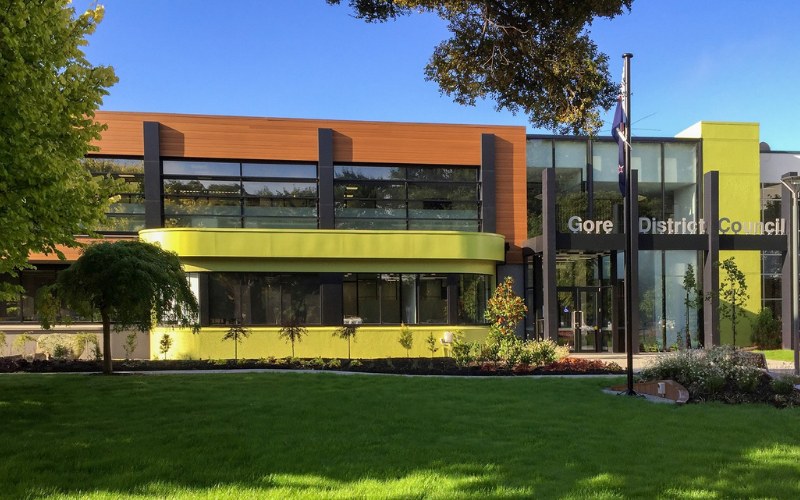
Within the region, the Southland District had 721 herds and 450,625 cows and posted the best per-cow result at 488kg. Gore's 162 herds averaged 452kg a cow from 98,023 cows, while the 99 herds in the Invercargill district averaged 470kg from 60,984 cows.
Sharemilking remains strong in the district. Of the Southland District's 721 herds, 373 were run by owner-operators, 220 by sharemilkers and 101 by contract milkers.
Nationally the season was a milestone. Total milksolids reached 2.02 billion kilograms, up 4.5 per cent, the first time the industry has passed the 2 billion mark. Milk volume rose 3.5 per cent to 21.8 billion litres.
The gain came from fewer, larger and more productive herds. There were 10,268 herds, 102 fewer than a year earlier, while cow numbers edged up about 1 per cent to 4.72 million. Average production per cow climbed from the previous record of 414kg to 428kg.
Milk is also richer than it was. Milksolids made up 9.27 per cent of milk volume, compared with 8.48 per cent in 2000-01. At today's volumes, the older ratio would have left the industry roughly 171 million kilograms of milksolids short.
DairyNZ chief executive Campbell Parker said passing 2 billion kilograms was "a significant milestone" for the country's dairy industry and credited farmers' skill, investment and daily management.
Herd testing covered 83.3 per cent of cows and 78.7 per cent of herds, the highest shares since the early 2000s, and artificial breeding was used on 84.8 per cent of cows, a 30-year high. Milk quality improved too, with the national somatic cell count falling to 149,000 cells per millilitre, the lowest yet, and the six-week in-calf rate hit 70.2 per cent, another record and well up on the 63.5 per cent recorded in 2008.
LIC chief executive David Chin said record use of herd testing and artificial breeding meant farmers had better data and a wider set of choices for lifting genetic gain.
The average payout for the season was $10.44 a kilogram of milksolids, the second highest on record, although the report notes that after inflation it sits only a little above the five-year average.
The full report and an interactive data explorer are available on the DairyNZ website.



Comments
Sign in or join free with your Southland Noticeboard account to comment.
Comments appear straight away under your display name; your email is never shown. Keep it civil, on topic and lawful: no abuse, no personal attacks, and nothing that could prejudice a court case. The newsroom removes comments that break the community rules.