
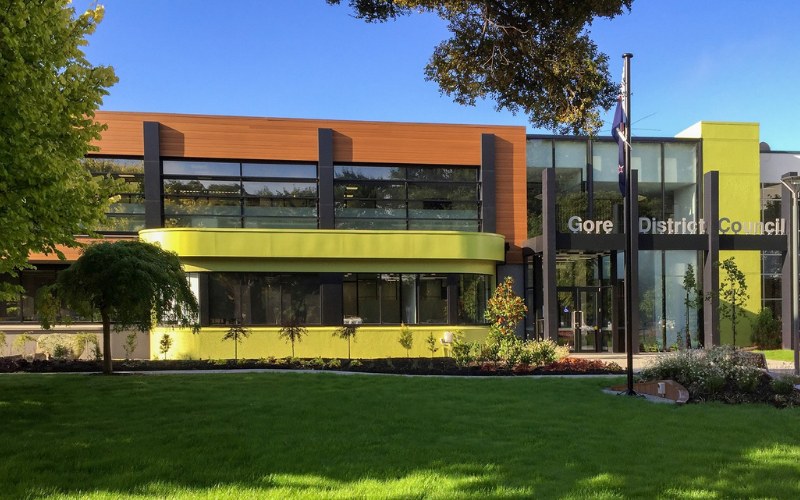
Gore District ratepayers face a rise of 8 to 12 per cent in the roading rate in the first year of a $28.07 million, three-year roading programme the council is being asked to approve on Tuesday.
A report by the council's roading manager to the 17 November meeting recommends approving "Option 2, Maintain Service" for 2027–30 as Gore's final bid to NZ Transport Agency Waka Kotahi (NZTA), which pays for most of the district's road work. The bid is due by 11 December. Rates themselves will be set through the council's Long Term Plan 2027–37.
The report says the first-year roading rate rise stays within the 8 to 12 per cent range reported to councillors in August, and that it would add roughly 1.4 per cent to total council rates.
What has changed since August is the price of looking after the roads. The new maintenance contract has been let, "with the market pricing the work well above what was budgeted", the report says. The contract started on 1 October, and quantities "have been reshaped with the contractor to fit the budget". The report does not say how far over budget the prices were, or name the contractor.
Councillors are also asked to note that "some work will be prioritised, as set out in this report", and the summary says the report sets out where. No such breakdown appears in the agenda packet published on the council's meeting portal. The report's three appendices cover spending by activity, the history of unsealed road metalling, and past and planned spending.

There is some better news on funding. NZTA has confirmed it will pay 62 per cent of Gore's programme, up from 61 per cent. Staff recommend using the extra money for an additional $720,000 on unsealed roads over three years, as long as NZTA co-funds it. That would lift metal spread on gravel roads to about 13,400 cubic metres a year, from about 10,600 now, and add about 630 hours of grading a year. A $200,000-a-year increase for drainage, endorsed in August, stays in.
Under the recommended option, two bridges would be replaced each year. The options table shows the number of load-restricted bridges would "remain near 21" over ten years under the cheapest option, but fall toward 15 under the recommended one. The report does not list which bridges are restricted. Pavement rebuilding would run at 0.7km a year and resealing at about 20km a year.
According to the programme table, the three-year total is $28,072,125, with NZTA paying $17,404,718 and the council $10,667,407. In August, the same option was costed at $27.0 million, with a council share of $10.5 million, and the first bid lodged on 28 August was for $27.35 million. The report says the council's share is "unchanged from August", though its programme table puts the council share at $10.67 million, against $10.5 million in the August options table.

Gore may not get everything it asks for. Nationally, councils' first bids for local road maintenance and renewals are about 54 per cent above current funding, the report says. Gore's own maintenance and renewals bid is about 37 per cent above what it was approved for in 2024–27. Last time, it asked for $21.8 million and got $20.0 million, or 92 per cent. Staff say this bid covers the full need the evidence supports, expecting that NZTA could approve a smaller amount.
If councillors agree, the chief executive will lodge the final plan and bid. The final roading activity management plan is due back before the council on 15 December.
The Herald has asked Gore District Council for comment.


Comments
Sign in or join free with your Southland Noticeboard account to comment.
Comments appear straight away under your display name; your email is never shown. Keep it civil, on topic and lawful: no abuse, no personal attacks, and nothing that could prejudice a court case. The newsroom removes comments that break the community rules.